

Are We Treating the Symptom…or the Source?
Some students receive consistent support and still struggle to make lasting progress. This article explores why—and what may need to change.
Learning Difference Checklist

Some students receive consistent support and still struggle to make lasting progress. This article explores why—and what may need to change.

Leather goods, artisan cheeses, and the perfect pair of jeans. These are just some of the things that are known to improve with time. Unfortunately, lists of things that get better with time might fail to include mathematics when in reality, mathematics and number sense should top the list.
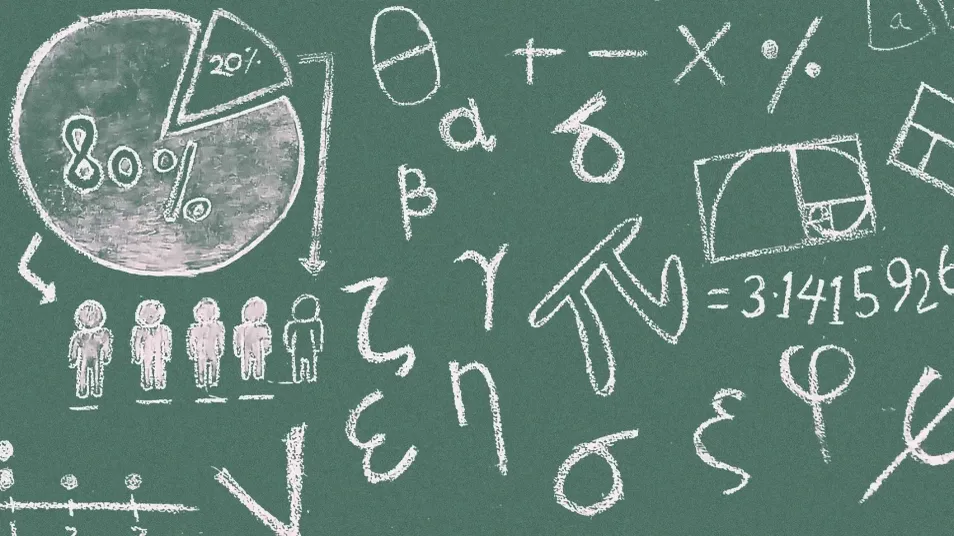
“Math and middle schoolers don’t mix!” This statement feels so true to so many of my middle school students as they meet me on the first day of our small group math elective. I am greeted with looks of frustration, fear, and even a touch of defiance. I understand them. I am not surprised by their needs, their fears, or insecurities.

Perhaps the time has come for LD to be viewed as a set of related but partially independent conditions with a number of possible causes (Keogh, 1990). Such a perspective would allow the educator to deal with a diversity of symptoms and confirm the legitimacy of variation within and between students.

Here are some excellent reading recommendations and links to other websites to help you support your child with learning disabilities or challenges.

A learning disability is an area of weakness or inefficiency in brain function that significantly hinders our ability to learn.